
Choosing the Right Metal for Your Jewelry Casting Project
One of the most important decisions any jewelry designer or brand owner faces is choosing the right metal for their piece. Gold and silver are both timeless, beautiful, and commercially proven — but they behave very differently in the casting process, carry different price points, and appeal to different market segments. Understanding the key differences will help you make smarter decisions before your design ever reaches the workshop floor.
Gold Casting: Prestige, Durability, and Complexity
Gold remains the benchmark of fine jewelry manufacturing worldwide. At JewelCAD Design Ltd, we work with a range of gold alloys — 9K, 14K, 18K, and 22K — each offering a different balance of purity, hardness, and color. Higher karat gold (18K and above) is softer and more malleable, which makes it excellent for detailed, intricate designs but requires more careful finishing. Lower karat alloys like 9K and 14K contain more base metals, giving them greater hardness and wear resistance — ideal for rings and bracelets that take daily punishment.
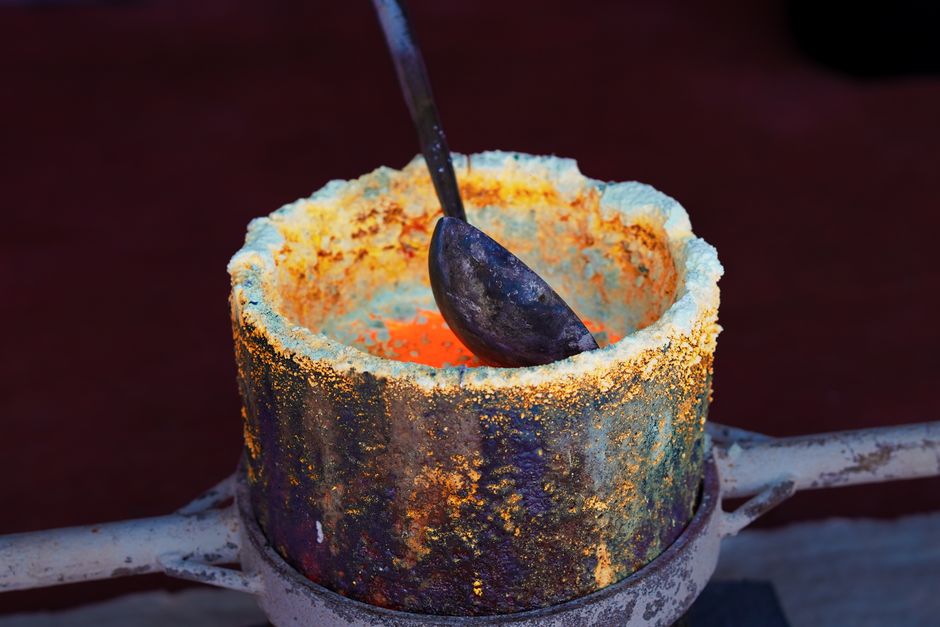
From a casting standpoint, gold requires precise temperature control and experienced technicians. The metal's density means it flows well into fine details during the lost-wax casting process, capturing delicate textures and filigree work beautifully. However, gold casting is a higher-stakes operation — material costs mean mistakes are expensive. This is exactly why a reliable CAD design and quality wax or resin 3D-printed model is essential before a single gram of gold is melted.
"Investing in a precise CAD model and a high-quality 3D-printed prototype before gold casting can save you thousands of dollars in wasted material and rework."
Silver Casting: Accessible, Versatile, and Designer-Friendly
Sterling silver (92.5% pure silver, also known as 925 silver) is the go-to metal for independent jewelry designers, emerging brands, and anyone producing high-volume fashion jewelry. The lower material cost makes silver an excellent choice for prototyping, seasonal collections, and trend-driven pieces where flexibility and speed-to-market matter most.
Silver casts extremely well. It has a lower melting point than gold, flows readily into molds, and is very forgiving during the casting and finishing stages. This makes it easier to produce larger quantities efficiently. Silver is also a fantastic metal for texture-heavy and statement designs — chunky rings, sculptural pendants, and layered necklaces all benefit from silver's ability to hold bold detail at a fraction of gold's cost.
The main considerations with silver are tarnishing and durability. Sterling silver will oxidize over time without proper surface finishing or plating. Many brands address this with rhodium plating, which adds both protection and a bright white finish — or they embrace the natural patina as part of the aesthetic.
Practical Tips: How to Decide Between Gold and Silver
- Define your price point first: If your retail target is under $200 USD per piece, silver is almost always the right starting point.
- Consider your customer's lifestyle: Everyday wear pieces benefit from harder alloys. Gold in 14K or silver with rhodium plating are both solid choices.
- Prototype in silver, produce in gold: Many brands develop and approve their designs in silver first, then transition bestsellers into gold. This reduces risk significantly.
- Think about stone settings: Certain gemstones and setting styles work better in one metal over the other. Prong settings for diamonds, for example, are traditionally executed in gold or platinum.
- Factor in your timeline: Silver production runs tend to be faster and more cost-effective for larger batches.
Working with a Manufacturing Partner Who Knows Both
At JewelCAD Design Ltd in Bangkok, we specialize in both gold and silver casting, supported by in-house CAD design and 3D printing capabilities. Whether you're launching your first collection or scaling an established brand, our team can guide you through metal selection, prototype development, and full production runs — all from one workshop.
The right metal choice isn't just a materials decision. It shapes your brand positioning, your production budget, and your customer experience. We're here to help you get it right from day one.
Ready to start your next project? Contact our team today to discuss your design requirements and get a competitive casting quote.