
Why Jewelry Photography Can Make or Break Your Brand
You've spent weeks refining your CAD design, perfecting the casting, and polishing every facet to a mirror finish. But if your portfolio photography doesn't do that work justice, potential clients and retail buyers will scroll right past. In the competitive world of fine jewelry and fashion accessories, high-quality product photography isn't optional — it's essential.
Whether you're an independent jewelry designer building your first portfolio or an established brand refreshing your lookbook, these practical tips will help you capture images that convert browsers into buyers.
Essential Equipment for Jewelry Product Photography
You don't need a professional studio to take exceptional jewelry photos, but a few key tools make a significant difference:
- Camera or smartphone: A modern DSLR, mirrorless camera, or even a recent-generation iPhone or Android with a macro mode can produce stunning results. What matters most is control over focus and exposure.
- Macro lens: For rings, earrings, and fine detail work, a dedicated macro lens (50mm–100mm range) allows you to capture intricate engravings, stone settings, and surface textures that define your craftsmanship.
- Lightbox or diffusion tent: Jewelry is highly reflective. A softbox lightbox eliminates harsh glare and creates the even, shadowless lighting that shows off your metalwork cleanly.
- Tripod: Even slight hand movement blurs fine detail. A sturdy tripod is non-negotiable for sharp, professional-looking shots.
- Backgrounds: White acrylic, matte black card, velvet, marble tile, and natural stone slabs are all popular choices. Keep at least two or three on hand for variety.
Lighting Techniques That Showcase Your Craftsmanship
Lighting is the single most important variable in jewelry photography. The goal is to reveal texture and dimension while controlling reflections on polished metal and gemstone surfaces.
Natural diffused light — such as the indirect light from a north-facing window on an overcast day — is surprisingly effective for silver and gold pieces. Place your jewelry on a clean white surface beside the window and use a white foam board on the opposite side to bounce light back and fill shadows.
For studio-style shooting, use two softbox lights positioned at roughly 45-degree angles on either side of your subject. This creates balanced illumination without the harsh hot spots that flatten detail. If you're shooting diamond or gemstone jewelry, a small angled reflector beneath the piece can catch light through the stone and create that desirable sparkle effect.
Pro Tip from the Workshop: At JewelCAD Design Ltd, we always recommend our clients photograph pieces against a neutral mid-grey background when submitting reference images for CAD redesign work. It gives our designers the clearest view of surface contours, prong positions, and setting styles — which directly improves the accuracy of the 3D model we build.
Styling and Composition for Maximum Impact
Great jewelry photography tells a story. Consider these composition strategies:
- Hero shots: One clean, straight-on image against a white or black background. This is your catalogue shot and should clearly show the full piece.
- Detail shots: Move in close to highlight unique features — a hand-engraved band, a pavé-set halo, or a custom clasp. These details justify your pricing and demonstrate your manufacturing quality.
- Lifestyle shots: Show the piece being worn in a natural, aspirational setting. These perform exceptionally well on Instagram and Pinterest and help customers visualize the scale of a piece.
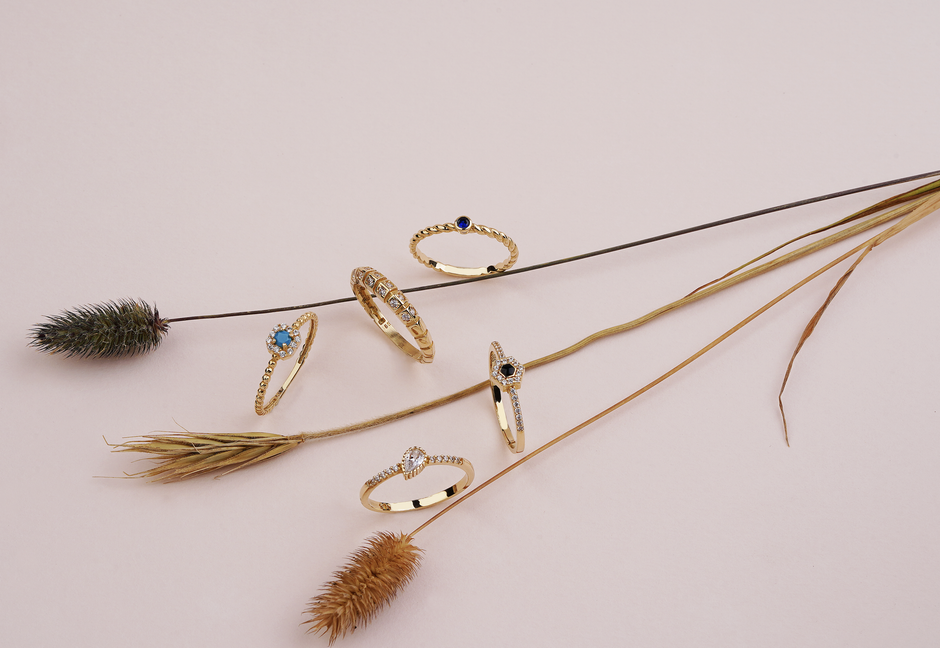
- Flat lay arrangements: Group complementary pieces — a matching ring, earring, and pendant set — on a textured surface for editorial-style portfolio images.
Post-Processing: The Final Polish
Even good photos benefit from light editing. Adobe Lightroom, Capture One, or even free tools like Snapseed allow you to adjust white balance (crucial for accurate gold and silver tones), boost clarity to enhance surface texture, and remove minor dust spots or background imperfections. Avoid over-editing — your goal is accuracy, not fantasy.
Ready to Build a Portfolio Worth Showing?
Before you can photograph beautiful jewelry, you need to manufacture it. At JewelCAD Design Ltd in Bangkok, we support independent designers and jewelry brands through every step of production — from initial CAD design and 3D wax printing through to casting, stone setting, and finishing. Whether you need a single prototype or a full production run, we bring your vision to life with precision and care.
Contact us today to discuss your next collection and discover why designers across Asia and beyond trust us as their manufacturing partner.