
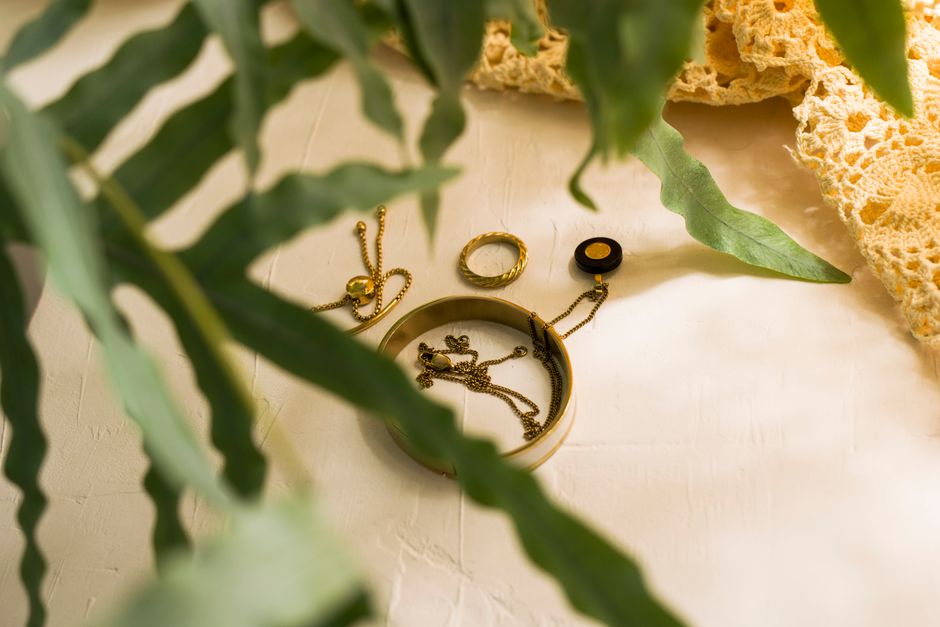
Why Jewelry Photography Can Make or Break Your Brand
You've spent months refining your designs, working with your manufacturing partner to perfect every detail — the prong settings, the surface finish, the weight and balance of each piece. But if your portfolio photography doesn't do that work justice, potential clients and retailers may never give your collection a second look. Great jewelry photography for your designer portfolio isn't just a nice-to-have. It's the first handshake between your brand and your audience.
Whether you're a jewelry designer preparing a lookbook, an independent brand approaching retail buyers, or a startup ready to launch an e-commerce store, these practical tips will help you capture images that truly reflect the quality of your pieces.
Equipment: You Don't Need a Hollywood Budget
Professional results are absolutely achievable without investing in a full photography studio. Here's what we recommend to most of our clients at JewelCAD Design Ltd when they're building their first portfolio:
- A mirrorless or DSLR camera — even an entry-level Sony or Canon will outperform a smartphone for jewelry close-ups
- A macro lens (50mm–100mm) — essential for capturing fine detail in small pieces
- A tripod — jewelry photography requires long exposures and absolute stillness
- A lightbox or diffusion tent — these are inexpensive and eliminate harsh shadows instantly
- Two daylight LED panels — consistent, color-accurate light makes gemstones pop
If budget is a genuine constraint, a newer iPhone or Samsung flagship with a tripod and a simple white foam board reflector can produce surprisingly clean results for social media content.
Lighting: The Single Most Important Variable
In jewelry product photography, lighting is everything. Metal surfaces reflect their surroundings, gemstones refract light, and small shadows can completely obscure delicate details. The goal is soft, even light that reveals texture without creating harsh glare.
"Natural north-facing window light is arguably the most flattering light source for silver and white gold pieces — it's cool, diffused, and free."
For gold pieces and warm-toned gems like rubies or garnets, a slightly warmer light temperature (around 4000K–5000K) will bring out richness in the metal. Always shoot in RAW format so you have full control over white balance in post-processing.
Backgrounds and Styling for Jewelry Portfolios
The background you choose communicates a great deal about your brand positioning. Here are the most effective options for professional jewelry portfolio photography:
- Pure white or light grey seamless paper — clean, minimal, ideal for e-commerce and wholesale presentations
- Matte black velvet or acrylic — dramatic and luxurious, perfect for high-end or bridal collections
- Natural textures (marble, slate, raw linen) — adds lifestyle context and works beautifully for editorial or social media content
- On-model photography — essential for rings, necklaces, and earrings when approaching fashion retailers or lifestyle brands
Keep props minimal. A single dried flower stem, a raw crystal, or a swatch of textured fabric can add context without competing with the jewelry itself.
Angles That Showcase Craftsmanship
When photographing pieces that required significant manufacturing complexity — think hand-engraved bands, pavé settings, or intricate filigree work — capture at least three angles: a straight-on front shot, a 45-degree three-quarter view, and a close-up macro detail shot. This trio gives buyers and collaborators a complete understanding of the piece's construction and quality.
At JewelCAD Design Ltd, we always encourage our clients to request high-resolution renders from their CAD files during the design phase. These digital images are exceptionally useful as supplementary portfolio assets alongside your final photography, particularly when presenting new collections before physical production begins.
Post-Processing: Keep It Honest
Light retouching in Lightroom or Photoshop is standard practice — adjusting exposure, removing dust specks, and correcting white balance are entirely acceptable. However, avoid over-editing gemstone colors or metal tones. If a buyer receives a piece that looks noticeably different from its portfolio image, trust is broken immediately.
Consistency across your portfolio matters just as much as quality. Use the same background, lighting setup, and editing preset for every piece in a collection so that the overall presentation feels cohesive and intentional.
Ready to Build a Portfolio Worth Photographing?
The most compelling jewelry portfolio photography starts with well-crafted pieces. If you're working on a new collection and looking for a reliable manufacturing partner in Bangkok, our team at JewelCAD Design Ltd offers end-to-end services from CAD design and 3D printing through to casting and finishing. Contact us today to discuss how we can bring your next collection to life.