
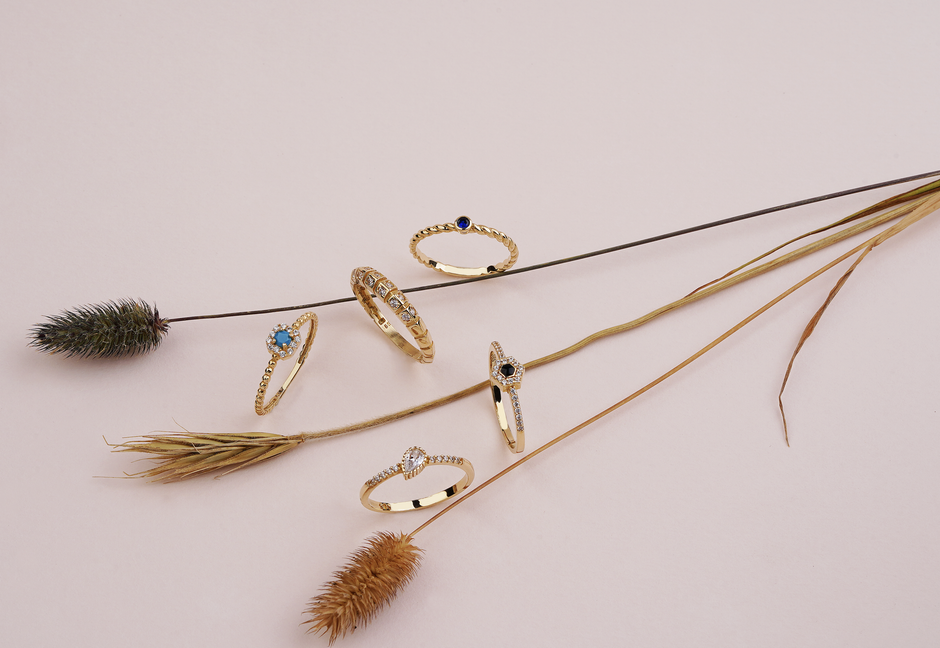
Why Jewelry Photography Matters More Than You Think
You've spent weeks refining your CAD designs, working with your manufacturing partner to perfect the casting, and polishing every piece to a mirror finish. But if your jewelry photography doesn't do the work justice, potential buyers and retail partners will scroll right past it. Whether you're building an online portfolio, pitching to boutique retailers, or launching your own brand, strong product photography is one of the most powerful tools in your arsenal.
The good news? You don't need a professional studio to get portfolio-worthy shots. With the right setup and a few insider tips, you can capture the brilliance, texture, and craftsmanship of your pieces from your own workspace.
Choose the Right Background to Let Your Jewelry Shine
The background you choose sets the entire tone of your image. For most fine jewelry and precision-cast pieces, simplicity wins every time.
- White or light grey seamless paper creates a clean, editorial look that's ideal for showcasing metalwork and gemstone color.
- Black velvet adds drama and depth — perfect for diamond-set pieces or high-contrast yellow gold.
- Textured surfaces like marble, slate, or raw linen add lifestyle appeal and work beautifully for brand storytelling on social media.
Avoid busy or patterned backgrounds. Your jewelry is the hero — the background should support it, not compete with it.
Master Lighting for Metal and Stone
Lighting is the single most important factor in jewelry photography, and it's also the trickiest. Highly polished metal and faceted gemstones are reflective by nature, which means harsh direct light creates blown-out hot spots that hide your craftsmanship.
"The goal is to show how the piece was made — every grain, every prong, every polish mark. Flat lighting hides all of that. Directional, diffused light reveals it."
Here's how to get it right:
- Use a lightbox or diffusion tent for small pieces. These create soft, even light that minimizes harsh reflections on polished gold and silver.
- Natural window light on an overcast day is one of the most flattering light sources available — free and incredibly effective.
- Avoid camera flash pointed directly at the piece. It flattens depth and creates ugly reflections.
- Use a reflector or piece of white foam board opposite your light source to fill in shadows without overexposing.
Camera Settings and Gear for Sharp, Detailed Shots
Jewelry is a detail-driven product. Buyers want to see texture, finish quality, and stone setting precision — especially if they're evaluating you as a design-to-manufacture partner.
- Use a macro lens or macro mode to capture fine detail like milgrain edges, pavé settings, and hand-engraved textures.
- Set a narrow aperture (f/8 to f/16) to ensure the entire piece stays in sharp focus.
- Always use a tripod. Handheld shots at macro distances almost always result in blur, especially in lower light.
- Shoot in RAW format if your camera allows — it gives you far more control during editing without degrading image quality.
Even a modern smartphone with a macro-capable camera can produce excellent results when paired with a tripod, good lighting, and a clean background.
Editing: Enhance Without Misleading
Post-processing is where good photos become great ones — but there's an important line to respect. Adjust brightness, contrast, and white balance to accurately represent the piece. Never alter the color of gemstones or metals in a way that misrepresents the actual product. Trust is the foundation of any jewelry brand, and a customer who receives something that looks different from your photos won't be a repeat buyer.
Free tools like Lightroom Mobile or Snapseed are more than capable of producing professional results for portfolio and e-commerce use.
Build a Portfolio That Opens Doors
At JewelCAD Design Ltd, we work with independent designers and emerging jewelry brands every day — and we see firsthand how a strong visual portfolio accelerates growth. When your photography reflects the same standard of quality as your manufacturing, clients and retailers take notice.
If you're ready to bring your designs to life with precision CAD modeling, 3D printing, and expert casting in Bangkok, we'd love to be part of your process. Great jewelry deserves to be seen — and we're here to help you make it.