
Turning a Sketch Into Something You Can Hold
Every great jewelry piece starts the same way — with an idea. Maybe it's a rough sketch on a napkin, a reference image saved to your phone, or a vision you've been carrying around for months. But transforming that idea into a physical sample you can show a buyer, photograph for your lookbook, or hand to a customer? That's where the real craft begins.
At JewelCAD Design Ltd, we work with independent jewelry designers, emerging brands, and established retailers every day who need exactly that bridge — from concept to first sample. Here's how the jewelry prototyping process works, and what you should know before you start.
Step 1: Concept Development and Design Brief
Before any software opens or any wax gets melted, the most important step is clarity. A strong design brief saves you time, money, and frustration. When you approach a manufacturing partner, come prepared with:
- Reference images or hand-drawn sketches
- Your intended metal (gold, silver, brass, platinum)
- Stone specifications if applicable (size, cut, carat weight)
- Approximate size and weight targets
- Your end market — fashion jewelry, fine jewelry, bridal, etc.
The more detail you provide upfront, the fewer revision rounds you'll need later. Think of it like giving directions — the clearer your map, the faster you arrive.
Step 2: CAD Design — Bringing Precision to Your Vision
Once the brief is locked, your manufacturer's CAD team gets to work using professional jewelry design software such as JewelCAD, Rhino 3D, or Matrix. This stage translates your creative concept into a precise, technically accurate 3D model.
Good CAD design isn't just about aesthetics — it accounts for metal thickness, prong strength, wearability, and how the piece will behave during casting. An experienced CAD designer will flag potential manufacturing issues before they become expensive mistakes.
Pro tip: Always request a rendered image of your CAD file before approving it for printing. What looks great as a wireframe model can reveal proportion issues when rendered with realistic texture and light.
Step 3: 3D Printing the Wax or Resin Model
With an approved CAD file, the next stage is 3D printing a physical model — typically in high-resolution castable wax resin. This is one of the most exciting moments in the jewelry prototyping process because suddenly your idea becomes something tangible.
Modern resin 3D printers used in professional jewelry manufacturing can achieve incredibly fine detail — intricate filigree, micro-pavé settings, and delicate surface textures all print cleanly. You can inspect the printed model for proportion, scale, and overall feel before committing to any metal.
Step 4: Casting and Finishing
The 3D-printed model is then used in the lost-wax casting process. It's placed in a flask, surrounded by investment plaster, and burned out in a kiln — leaving a perfect cavity that molten metal is then injected into under pressure.
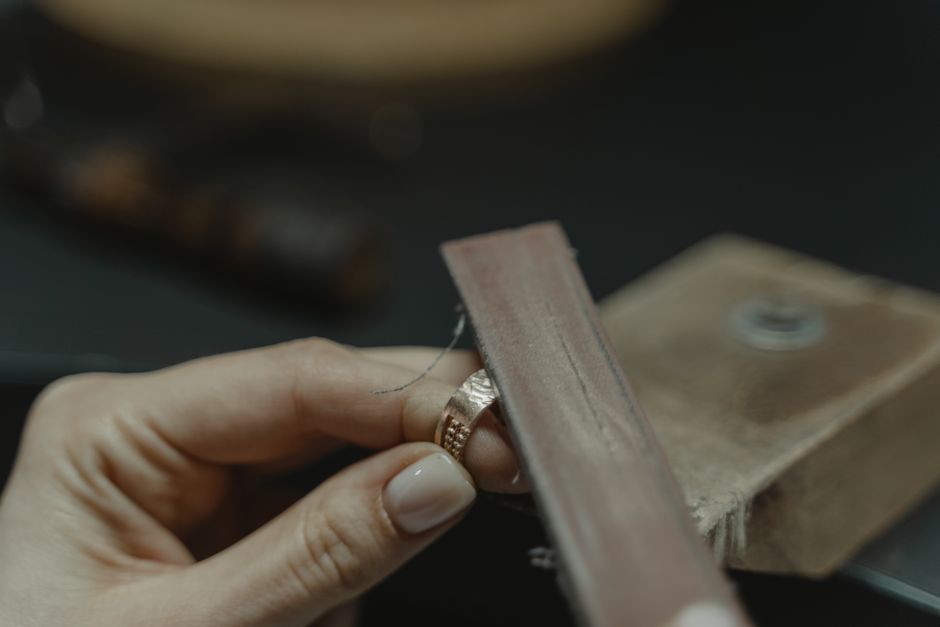
After casting, your piece goes through a series of finishing steps: sprue removal, filing, sanding, polishing, and stone setting if required. What comes out at the end is your first sample — a fully finished piece ready for review.
How Long Does Jewelry Prototyping Take?
For most projects, you can expect the following general timeline:
- CAD design: 3–5 business days
- 3D printing: 1–2 business days
- Casting and finishing: 5–7 business days
Rush timelines are sometimes possible depending on complexity and workshop capacity. Always discuss lead times upfront, especially if you have a trade show, product launch, or buyer meeting on the horizon.
What to Look for in a Jewelry Manufacturing Partner
Not all workshops are created equal. When evaluating a manufacturing partner for your prototyping needs, look for transparent communication, experienced in-house CAD designers, and a clear revision policy. Ask to see examples of previous work across different styles and metals.
At JewelCAD Design Ltd in Bangkok, we specialize in helping designers and brands bring their first samples to life — efficiently, accurately, and with the craftsmanship your brand deserves. Whether you're prototyping a single hero piece or developing an entire collection, we're here to make the process as smooth as possible.
Ready to start? Contact our team today with your design brief and let's get your idea off the page and into your hands.