
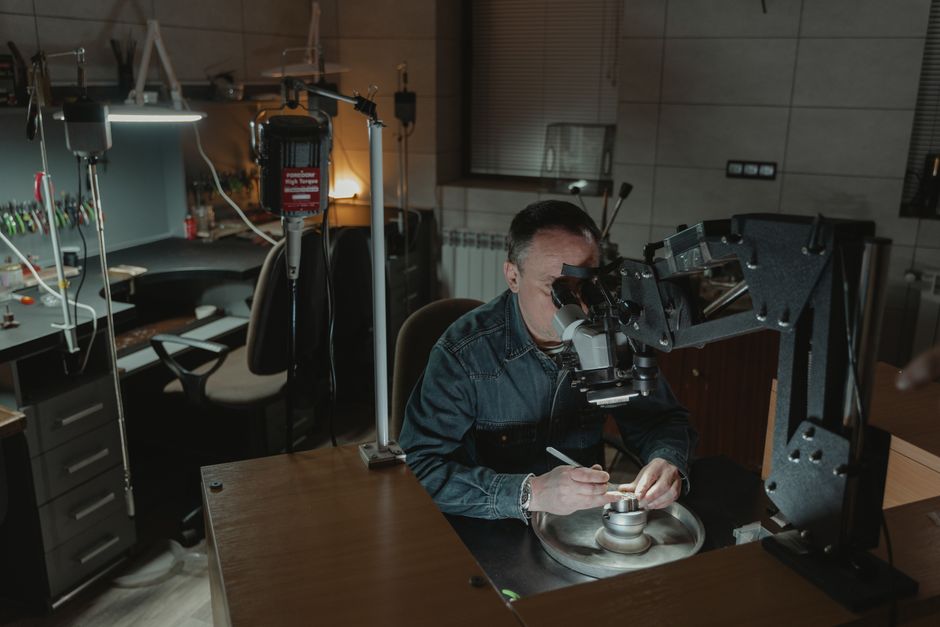
So You're Ready to Manufacture Your Jewelry Collection
Taking the leap from concept sketches to a finished jewelry collection is one of the most exciting — and nerve-wracking — decisions a designer or brand owner will ever make. Whether you're launching your first line or scaling up an existing brand, partnering with a professional jewelry factory changes everything. But many first-time clients arrive with unrealistic timelines, unclear briefs, or simply no idea what the process involves.
This guide walks you through exactly what to expect when working with a jewelry manufacturing workshop, so you can enter the partnership prepared, confident, and ready to create something beautiful.
Step 1: The Design Brief and CAD Consultation
Every successful piece starts with a clear design brief. Before production can begin, your factory needs to understand your vision — dimensions, metal type, stone specifications, finish, and intended market price point. If you have hand sketches or reference images, bring them. If not, an experienced workshop can help you develop the concept from scratch.
Most professional factories today use CAD jewelry design software like JewelCAD or RhinoGold to translate ideas into precise 3D models. This is where your concept becomes something tangible. During the CAD consultation, expect to:
- Review digital renders from multiple angles
- Request revisions to proportions, settings, or decorative elements
- Approve the final model before it moves to production
Don't rush this stage. Changes made in CAD cost almost nothing. Changes made after casting can be expensive or impossible.
Step 2: 3D Printing and Wax Casting Preparation
Once the CAD file is approved, the factory produces a physical prototype — usually through 3D resin printing or wax milling. This prototype serves as your pre-production sample and is used to create the mold for lost-wax casting. Holding the prototype in your hands gives you a real sense of scale and weight before any precious metal is committed.
At this stage, you can verify:
- Overall size and wearability
- Stone setting positions and fit
- Surface detail sharpness and design accuracy
"A 3D-printed prototype is the most cost-effective quality check in jewelry manufacturing. Never skip it."
Step 3: Metal Casting and Finishing
After prototype approval, the piece goes into casting. Lost-wax casting remains the industry gold standard for producing complex jewelry designs in gold, silver, brass, or platinum. Molten metal is injected into a ceramic mold created from your wax model, cooled, then removed and cleaned.
What follows casting is equally important: filing, polishing, stone setting, plating, and quality inspection. A good factory will assign skilled artisans to each finishing stage. Ask about their quality control process — how many inspection points exist before a piece is approved for shipment?
Step 4: Sampling, Approval, and Bulk Production
Before committing to a full production run, always request a first sample in your chosen metal. Review it against your original design brief and check for consistency, finish quality, and stone security. Only approve bulk production once you are fully satisfied.
Practical advice for this stage:
- Build revision rounds into your timeline — two to three rounds is normal
- Confirm minimum order quantities (MOQs) upfront to avoid surprises
- Ask for lead times in writing, especially during peak seasons
- Discuss packaging requirements early so they're ready when your pieces are
What Makes a Good Manufacturing Partner?
The best jewelry factories combine technical precision with genuine communication. You should feel comfortable asking questions at every stage. A reliable partner will be transparent about timelines, honest about what's achievable within your budget, and proactive about flagging potential issues before they become problems.
At JewelCAD Design Ltd in Bangkok, we work with independent jewelry designers, emerging brands, and established retailers across Asia, Europe, and beyond. Our in-house team handles everything from initial CAD modeling and 3D printing to casting, setting, and final finishing — all under one roof.
Ready to bring your collection to life? Contact us today to discuss your project and request a free consultation.