
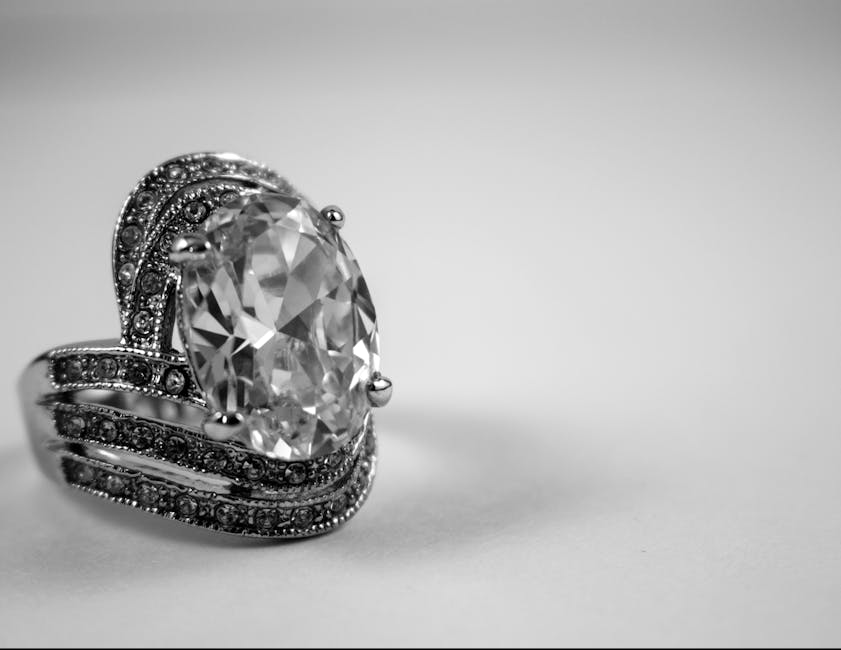
Choosing the right stone setting technique is crucial for creating jewelry that balances beauty, durability, and wearability. As a jewelry manufacturer, understanding the strengths and applications of prong, bezel, and channel settings will help you make informed decisions for your custom jewelry projects.
Prong Setting: The Classic Choice for Maximum Brilliance
Prong settings remain the most popular choice for engagement rings and statement pieces, and for good reason. This technique uses thin metal claws to secure gemstones, allowing maximum light exposure to enhance brilliance and fire.
Advantages of prong settings:
- Maximum light exposure creates exceptional sparkle
- Uses less metal, making it cost-effective
- Versatile design works with various stone shapes
- Easy to clean and maintain
- Allows for stone replacement if needed
Best applications: Engagement rings, earrings, pendants, and any piece where stone brilliance is the priority. Prong settings work exceptionally well with round, oval, and cushion-cut diamonds.
Manufacturing considerations: Requires precise CAD design to ensure proper proportions. The prongs must be thick enough for durability but thin enough to not overpower the stone. Our jewelry manufacturing process includes stress-testing prong settings to ensure longevity.
Bezel Setting: Security Meets Modern Aesthetics
Bezel settings encircle the gemstone with a continuous metal rim, offering superior protection and a sleek, contemporary look. This ancient technique has experienced a renaissance in modern jewelry design.
Advantages of bezel settings:
- Maximum stone protection from chips and damage
- Smooth profile reduces snagging on clothing
- Creates clean, modern aesthetic
- Excellent for active lifestyles
- Can make smaller stones appear larger
Best applications: Wedding bands, men's jewelry, sports jewelry, and pieces designed for daily wear. Bezel settings work beautifully with round, oval, and cushion-cut stones.
Manufacturing tip: The bezel wall height should be approximately 1/3 of the stone's depth for optimal security without obscuring the stone's beauty.
Channel Setting: Perfect for Multiple Stone Arrangements
Channel settings suspend stones between two parallel walls of metal, creating seamless rows of gemstones. This technique is ideal for wedding bands, tennis bracelets, and any design requiring multiple stones in a line.
Advantages of channel settings:
- Protects stone girdles from damage
- Creates smooth, comfortable wearing surface
- Allows for continuous stone arrangements
- Minimizes metal between stones for maximum sparkle
- Durable construction for everyday wear
Best applications: Wedding bands, eternity rings, tennis bracelets, and any design featuring multiple stones in linear arrangements.
Manufacturing precision required: Channel settings demand exact measurements and skilled craftsmanship. The channel width must match the stone diameters precisely, and the depth must accommodate the stones while providing adequate support.
Choosing the Right Setting for Your Jewelry Manufacturing Project
Consider these factors when selecting stone settings:
The intended use, customer lifestyle, budget constraints, and aesthetic preferences all play crucial roles in determining the optimal stone setting technique for each piece.
For engagement rings prioritizing brilliance, prong settings excel. For active customers needing durable pieces, bezel settings provide security. For multiple-stone designs like eternity bands, channel settings offer the best solution.
At JewelCAD Design Ltd, our experienced team helps you select the optimal stone setting technique for your specific requirements, ensuring each piece meets both aesthetic and functional goals.